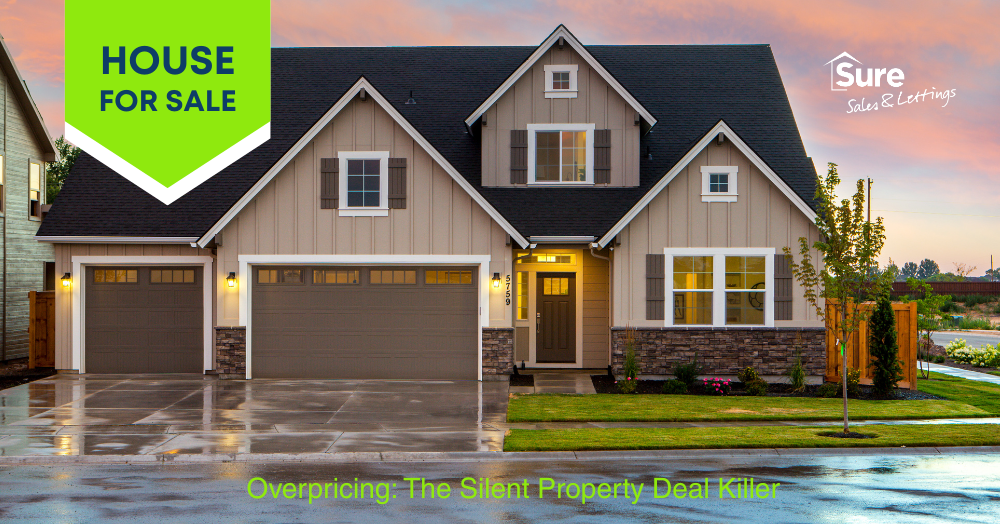
Overpricing: The Silent Property Deal Killer for Vendors
As a vendor, you naturally want to achieve the best possible price for your property. It's a significant asset, and maximising its value is a key objective. However, a common pitfall that many vendors encounter is overpricing. While the temptation to 'test the market' with a higher figure is understandable, it often proves to be a counterproductive strategy, acting as a silent deal killer.
The Initial Buzz: A Missed Opportunity
When a property first comes onto the market, it generates the most interest. This initial period, typically the first few weeks, is crucial. Serious buyers who are actively looking and pre-approved for mortgages are constantly monitoring new listings. If your property is priced correctly from the outset, it will attract these motivated buyers, potentially leading to multiple viewings and even competing offers.
However, if your property is overpriced, these discerning buyers will quickly dismiss it. They are well-informed about local market values and will recognise when a property is not offering good value for money. This means you miss out on that vital initial buzz, and your property sits on the market, becoming stale.
The Stigma of a Stale Listing
Properties that linger on the market for extended periods often develop a 'stigma'. Potential buyers start to wonder why it hasn't sold. Is there something wrong with it? Is the vendor unrealistic? This perception can deter new interest, even if you eventually reduce the price. Buyers may assume there's a hidden flaw or that the vendor is desperate, leading them to make lower offers than they might have initially.
Furthermore, estate agents, while committed to selling your property, find it harder to generate excitement for a listing that has been available for months. The narrative shifts from 'new and exciting' to 'been there, done that'.
The Downward Spiral of Price Reductions
When an overpriced property fails to attract offers, the inevitable next step is a price reduction. While necessary, this can send the wrong message. Buyers often interpret price drops as a sign of desperation or that the property was indeed overpriced to begin with. This can encourage them to offer even less, anticipating further reductions.
Each price reduction also resets the 'time on market' clock in the minds of some buyers, but the underlying history remains. You might find yourself chasing the market downwards, ultimately selling for less than you would have achieved if you had priced realistically from day one.
The Cost of Time
Beyond the financial implications of a lower sale price, consider the cost of time. A prolonged sale process means continued mortgage payments, council tax, utility bills, and maintenance costs. If you're looking to move quickly, overpricing can severely delay your plans, impacting onward purchases or relocation schedules.
How to Price Your Property Correctly
The key to avoiding the overpricing trap is to rely on expert advice and objective data. Your estate agent will conduct a thorough valuation based on several factors:
- Comparable Sales: What similar properties have recently sold for in your area? This is the most crucial indicator.
- Current Market Conditions: Is it a buyer's or seller's market? What is the demand like?
- Property Condition and Features: The unique aspects of your home, its condition, and any improvements.
- Location: Proximity to amenities, schools, and transport links.
Listen to your estate agent's professional assessment. While your emotional attachment to your home is natural, an objective valuation based on market realities is essential for a successful and timely sale.
Conclusion
Overpricing is a silent, yet potent, deal killer. It wastes valuable time, deters serious buyers, and often leads to a lower eventual sale price. By pricing your property realistically and competitively from the outset, you maximise your chances of attracting the right buyers, securing a strong offer, and achieving a smooth, efficient sale. Trust your estate agent to guide you through this critical decision, ensuring your property stands out for all the right reasons.